

CBD: What do you need to know?
Cannabidiol (CBD) is often covered in the media and you can see it being advertised as an additive enhancer to your post-workout smoothie or morning coffee. You can even buy a CBD sports bra. But what is CBD? And why is it so popular?
How is cannabidiol different from marijuana, cannabis and hemp?
CBD or cannabidiol, is the second most common active ingredient in cannabis (marijuana). Although CBD is an important component of medical marijuana, it is derived directly from the hemp plant, a cousin of marijuana, or produced in a laboratory. One from hundreds of marijuana components, CBD by itself doesn't cause a "high". According to a World Health Organization's report, "on people, CBD shows no effects indicating any abuse or potential addiction... To date, there is no evidence of health-related problems associated with the use of pure CBD. "
Proofs of cannabidiol's benefits for health.
CBD has been advertised to solve a wide range of health issues.
Animal studies, as well as self-reported or human studies, suggest that CBD may also help with:
- Anxiety. Research and clinical trials are examining a common report that CBD can reduce anxiety.
- Insomnia. Research suggests that CBD can help both: fall asleep and keep you awake.
- Chronic pain. Further human studies are needed to support claims that CBD helps to control pain. One study on animals from the European Journal of Pain suggests CBD may help reduce arthritis-induced pain and inflammation when applied on the skin. Another study shows how CBD can inhibit inflammatory and neuropathic pain, which are difficult to treat.
- Dependency. CBD can help reduce cravings for tobacco and heroin under certain conditions, according to some human studies. Animal models of addiction suggest it may also help reduce cravings for alcohol, cannabis, opiates and stimulants.
Possible harm and side effects
CBD usage also carries some risks. Although CBD is often well tolerated, it can cause side effects such as dry mouth, diarrhea, decreased appetite, drowsiness and fatigue. CBD can also interact with other medications you take, such as blood thinners.
CBD usage during pregnancy
There are no comprehensive studies examining the effects of CBD on a developing fetus, pregnant mother or breastfed baby. The FDA continues to collect and study data on possible harmful effects of CBD during pregnancy and breastfeeding. However, based on what we know, there is serious cause for concern.
High doses of CBD in pregnant tested animals have caused reproductive problems for developing male fetuses. In addition, based on what we already know about CBD, we expect some CBD to be transmitted to children through breast milk.
If you plan to use CBD-containing products during pregnancy, talk to your doctor first.
How can you take CBD?
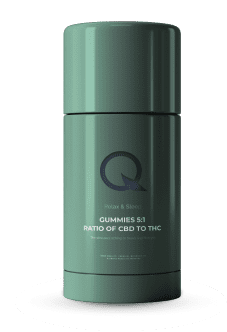
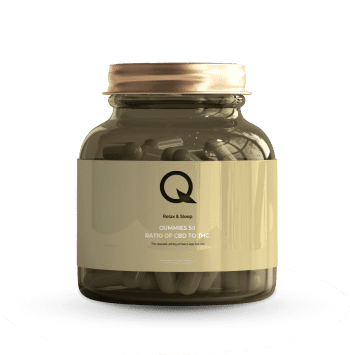
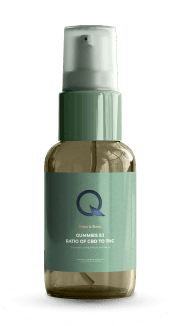
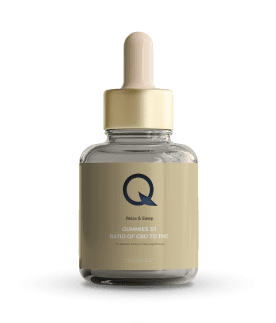
CBD comes in many forms, including oils, chewing gums, extracts, capsules, patches, vapes and topical skin preparations. If you're hoping to reduce inflammation and ease muscle and joint pain, local butter, CBD-filled lotion, cream or even a bath bomb may be the best option. Alternatively, a CBC patch, tincture or spray designed to fit under the tongue allows CBD to enter the bloodstream directly.
CBD types
Various CBD extracts are available on the market. Manufacturers typically use the following terminology to describe their products:
- Full spectrum: These products contain several cannabis plant extracts and may include other cannabis plant components including oils, terpenes and other cannabinoids such as THC. However, these products cannot contain more than 0.3% THC, which is not strong enough to have significant psychoactive effects. Some evidence suggests that products containing multiple compounds of the cannabis plant may maximize health benefits.
- Broad spectrum: Similar to full spectrum products, the broad spectrum CBD product will contain other compounds and cannabinoids present in the cannabis plant. However, the main difference between the two is that broad spectrum products tend to be completely THC-free but may contain trace amounts.
- Isolate: As the name suggests, CBD isolate products contain only CBD with no trace of any other compounds, such as THC. These products can be useful for person to evaluate the efficacy of CBD itself without interference from other substances and compounds.
Conclusion
CBD is a cannabinoid that can be healthy and is available in a variety of products. A person can use several different methods to administer CBD based on their needs and preferences. It is usually available in many forms, such as oils, chewing gums, sprays, creams and cigarettes. While selecting CBD products, a person must consider various factors such as ingredients, dosages and safety certificates.