


CBD oil its history and influence on the CBD industry
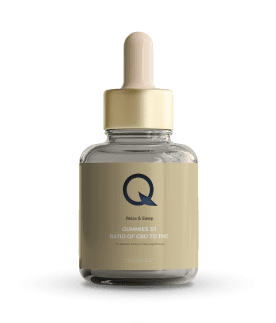
CBD oil is probably the first product that comes to mind when you think of CBD. It has been marketed incredibly heavily in recent years and everyone knows the little brown bottles with the pipette for dosing. But where and how exactly did this product come about? In this article you will find out everything about the trend product CBD oil.
What is CBD oil exactly?
CBD oil has grown significantly in popularity in recent years, but what exactly is it? CBD stands for cannabidiol, a chemical compound extracted from the cannabis plant. Unlike tetrahydrocannabinol (THC), the psychoactive ingredient in cannabis, CBD is not psychoactive.
The oil is obtained from the leaves, stems and flowers of the hemp plant. The process typically begins with the extraction of CBD from the plant. This can be done in a variety of ways, with CO2 extraction and alcohol extraction being among the most common methods. CO2 extraction uses carbon dioxide under high pressure and low temperatures to isolate and extract the CBD oil.
After extraction, the raw CBD oil is often further processed and purified to remove impurities. It can then be sold in various concentrations and formulations. It is important to mention that the quality of CBD oil depends heavily on the production method and the source of hemp plants.
Where does CBD oil have its historical origin?
The discovery of CBD (cannabidiol) and the development of CBD oil is an important chapter in the history of modern medicine. CBD, one of over 100 cannabinoids in the cannabis plant, was first isolated in 1940 by American chemist Roger Adams. However, this isolation was not yet fully understood. The true importance of CBD only became clear in the 1960s, when Israeli scientist Dr. Raphael Mechoulam not only clarified the exact chemical structure of CBD, but also showed that this cannabinoid does not have psychoactive effects like THC (tetrahydrocannabinol).
This discovery led to a growing interest in therapeutic CBD products for the mass market. Therefore, various researchers began to explore the medical possibilities of CBD. Thus, CBD has been used particularly in areas such as pain relief, anti-inflammatory and anxiety reduction. This research and the separation from the drug THC led to an improved legal status and thus paved the way to commercialization.
The development of CBD oil as a product was a direct result of these scientific discoveries. It was developed as a convenient and effective way to consume CBD, making it accessible to a wider public. Today, CBD oil is a central element of the emerging CBD industry and is valued worldwide for its potential health benefits.
Intakes and dosage of CBD oil?
The most common way of taking CBD oil is sublingually, which means that a few drops are placed under the tongue. This enables rapid absorption into the bloodstream. Of course, the oil can also be taken orally by adding it to various drinks and foods. Local application on the skin is also possible. This can be helpful to combat skin problems and irritations.
The dosage of CBD oil can vary greatly depending on individual needs, method of application and concentration of the oil. Here are some general guidelines:
Low dosage
- Beginners or mild discomfort: 5-10 mg per day.
- Suitable for mild pain, stress relief or as a starting point.
Medium dosage
- Moderate discomfort or maintenance dose: 10-25 mg per day.
- Commonly used for ongoing pain relief, sleep problems or chronic conditions.
High dosage
- Severe ailments or specific medical conditions: 25-50 mg (or more) per day.
- Often recommended for severe pain, inflammatory conditions or other serious health problems.
Individual customization
- It is important to start with a low dose and gradually increase it until the desired effect is achieved.
- The optimal dose varies depending on the person and condition.
It should be noted that these statements are general guidelines and it is always advisable to consult a professional before taking CBD oil, especially if you are already taking other medications or have specific health conditions.
Difference between broad spectrum and full spectrum CBD oil
CBD oil comes in various forms, particularly broad-spectrum and full-spectrum oil, which differ in their composition and effects.
Full spectrum CBD oil contains all naturally occurring compounds of the hemp plant, including CBD, THC and terpenes. These connections work together to create what is known as the "entourage effect" in which it is assumed that the entire plant chemistry works synergistically and thus enhances the therapeutic effects. Full spectrum oils contain a small amount of THC, but usually below the legal limit of 0.3%, which is not enough to produce psychoactive effects.
In contrast, broad-spectrum CBD oil offers a middle ground; it does not contain all the active ingredients of the cannabis plant; for example, the THC has been completely removed. This makes it an ideal choice for any consumer who would like to avoid THC completely. Many people still have strong concerns when they read that a product contains small amounts of THC. The reasons for this are possible negative consequences with regard to the driving license. The broad-spectrum oil is ideal for this group of consumers because it delivers the same benefits as the full-spectrum version, but without THC.
What side effects does CBD oil have and what is the correct dosage?
CBD oil is generally known for its good tolerability and low risk of side effects. However, some people may experience side effects, especially at high doses or individual sensitivity. Possible side effects include:
- Fatigue or sleepiness
- Diarrhea
- Weight changes
- Dry mouth
- Slight nausea
- Interactions with other medications
The correct dosage is different for everyone, but it is recommended to start with a light dosage, between 5-10 mg per day. Depending on the body's resonance, the dose can then be increased.
Conclusion
CBD oil is a great product that can be easily taken. You even have the choice between a broad spectrum and a full spectrum oil. In summary, CBD oil has established itself as an indispensable consumer product in the CBD industry over the years. However, the effect should not be underestimated and the introduction to the use of CBD oil should initially be done moderately.
Sources:
- https://de.wikipedia.org/wiki/Cannabidiol
- https://pubmed.ncbi.nlm.nih.gov/34676324/
- https://pubmed.ncbi.nlm.nih.gov/37668478/
- https://pubmed.ncbi.nlm.nih.gov/31447137/