

Is CBD legal in Germany?
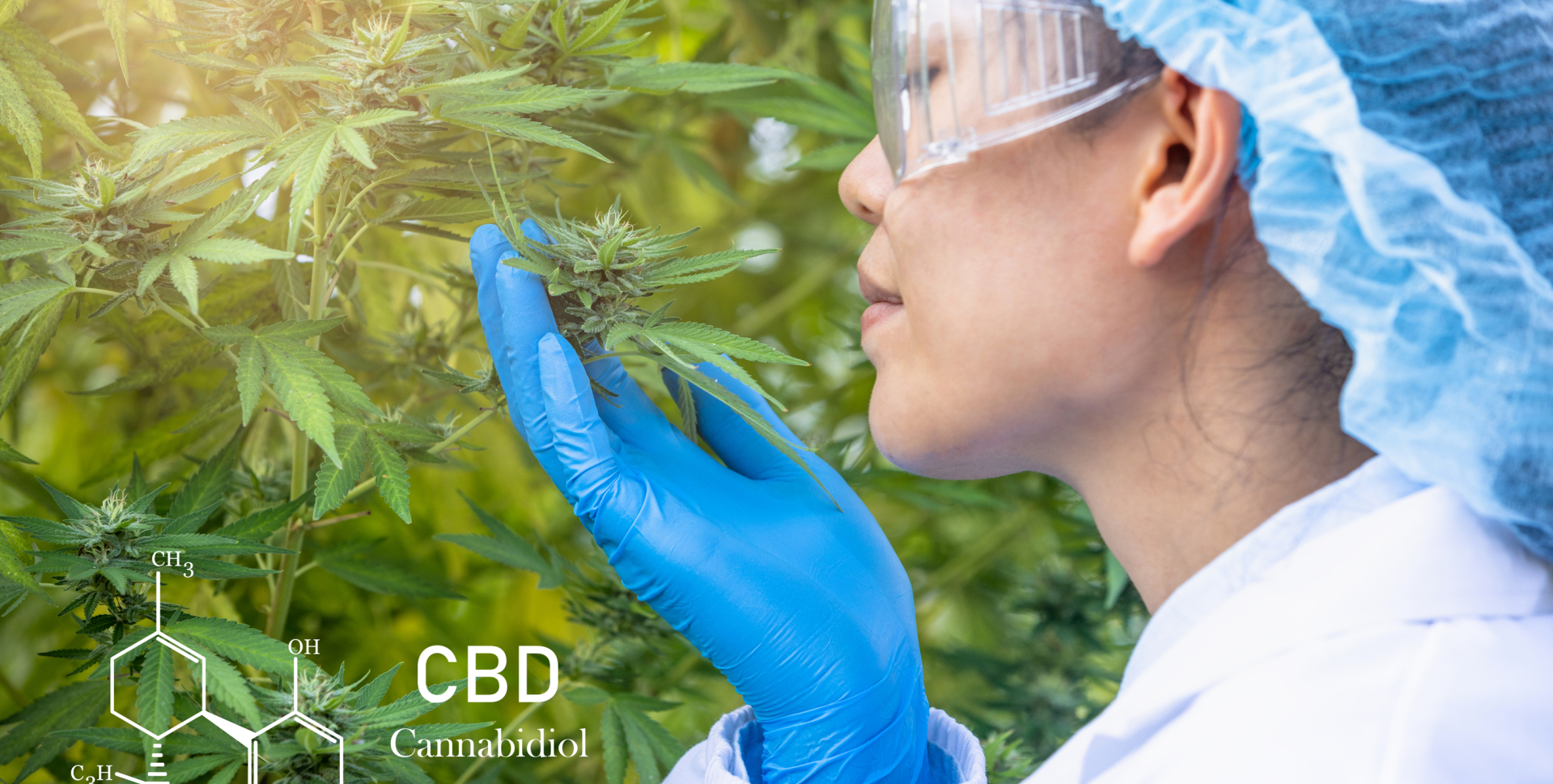
Cannabidiol, more commonly known as CBD, has seen an unprecedented rise in the world of health and wellness in recent years. This non-psychoactive ingredient, derived from the cannabis plant, has garnered a diverse following, ranging from long-time supporters of alternative medicine to skeptics who prefer traditional treatment methods.
Despite its growing popularity, however, CBD exists in a legal gray area that can vary significantly from country to country and even region to region. While some countries have fully legalized the sale and consumption of CBD products, others are skeptical of liberalization, resulting in a confusing mix of regulations. In Germany, for example, the legality of CBD is closely linked to the THC content of the product - a regulation that poses challenges for consumers and producers alike.
The question of the legality of CBD is therefore not only important for potential users and the CBD industry, but also raises larger questions about the future of cannabis products in general. How will laws evolve to reflect new scientific knowledge and changing public consciousness? In this article, we examine the legal landscape of CBD to shed light on this complex topic.
What is the difference between CBD and THC?
Cannabidiol, or CBD, is one of over a hundred chemical compounds known as cannabinoids found in the cannabis plant. Unlike its famous counterpart, tetrahydrocannabinol (THC), CBD is non-psychoactive, meaning it does not affect mental clarity or produce the typical "high" state often associated with cannabis is connected.
The differences between CBD and THC are fundamental, both in their chemical structure and in their effects on the human body. THC is the main component of cannabis that produces psychoactive effects, while CBD does not produce such effects and is often valued for its potential therapeutic benefits without the intoxicating effects of THC. This distinction is central to understanding the various uses and legal frameworks that surround these substances.
The legal situation of CBD in Germany
In Germany, the legal situation of CBD is shaped by a mix of national and EU regulations, which require a clear distinction between medical and non-medical use of CBD products. Medical CBD, used for therapeutic purposes, is legal under certain conditions and can be purchased with a doctor's prescription. The CBD product must be approved as a medicine, which requires strict control and compliance with pharmaceutical standards.
However, different rules apply to non-medical consumption, i.e. the purchase and use of CBD products without a prescription. Such products often fall under the category of nutritional supplements or cosmetics, depending on the form of use. What is important here is the THC content: According to the German Narcotics Act, CBD products for non-medical use may not exceed a THC content of 0.2%. This limit is crucial because products containing more THC require a special license for distribution.
Complying with these THC limits is of utmost importance for manufacturers and consumers of CBD products in Germany in order not to violate the law. However, the legal situation can be complex as it also depends on the type of use and labeling of the product. It is therefore important for consumers and providers to continually inform themselves about current legislation and its interpretation to ensure that they operate within the bounds of legality.
Influence of the EU on the CBD legal situation
The legal situation of CBD in Germany is significantly influenced by the European Union, as EU regulations and directives apply in all member states, including Germany. A significant example of this is the EU-wide regulation that sets the permitted THC content in CBD products at 0.2%, a standard that has been adopted in Germany and other EU countries. Furthermore, in a landmark ruling in 2020, the European Court of Justice (ECJ) ruled that CBD cannot be considered a narcotic unless it is proven to have harmful effects on human health. This ruling has opened the door for a more liberal approach to CBD products in the EU and prompted national governments to rethink their legislation to bring it in line with EU standards. These developments underline how EU decisions can shape national policies and emphasize the need for companies and consumers to respect both national and EU-wide laws when it comes to the sale and consumption of CBD. products.
Court rulings and precedents in Germany
In Germany, a ruling by the Federal Court of Justice (BGH) has influenced the legal situation regarding CBD. In a 2022 case, the convictions of two defendants sentenced to prison for trafficking CBD flowers were upheld. The court classified the CBD flowers as narcotics because abuse for intoxicating purposes could not be ruled out, even if the THC content did not exceed 0.2%. This illustrates the strict interpretation of the laws regarding CBD in Germany and shows that the trade in CBD products is carefully regulated and that products that could potentially be abused for intoxicating purposes are subject to strict controls.
Another relevant ruling by the BGH from 2021 concerned the sale of “hemp tea”. The defendants had sold cannabis plant parts with low levels of THC, which were classified as narcotics. However, the court overturned the original conviction and clarified that sales to end consumers for consumption purposes need not be prohibited in principle as long as abuse for intoxication is ruled out. This shows the complex nature of the laws regarding CBD and hemp products in Germany and emphasizes the importance of precise knowledge of the legal framework.
These rulings have a significant impact on the CBD industry and consumers in Germany. They underline the need for retailers and producers to strictly adhere to legal requirements and understand the potential risks of trading CBD products.
Conclusion
CBD in Germany operates in a legal gray area, shaped by EU guidelines and national laws. While medical CBD is permitted under certain conditions, non-medical use is subject to strict THC limits. Court rulings, especially from the Federal Court of Justice, have clarified the legal situation, but also show the strict requirements and the need for clarity when dealing with CBD products. This development highlights the importance of continued attention from consumers and providers to legal developments in the CBD sector in Germany.
Sources:
- https://www.bundesgerichtshof.de/SharedDocs/Press Releases/DE/2022/2022144.html
- https://www.anwalt.de/rechtstipps/cbdcannabidiol-bgh-judgment-zur-rechtslage-anwaltsinfo_187051.html
- https://www.strafrechtsiegen.de/ist-cannabidiol-cbd-in-deutschland-legal/